Is it filled with chocolate?
May 3, 2011 @ 11:08 am — Tags: food, landscape, marketing, road trip, snow, Switzerland, travel, Zermatt
That there is a giant Lindt Easter bunny, chained safely to the top of the Täsch train terminal in Switzerland to prevent me from attacking the ears just in case there’s chocolate inside.
As you can see by the name of the train station, I was in Zermatt last weekend, and this station is the last one before Zermatt where you must leave your car, since no cars are allowed in Zermatt itself (apart from small electric cars and buses which people must have hard-to-get permits for). Although excited to go skiing in the fresh powder on the Italian side of Cervino the following day, being welcomed by a giant bunny was a great start to the weekend.
The desperate last ski of the season turned out pretty well, with the sun shining on Sunday and few people on the hill after Saturday’s snow fall, allowing us to take fresh tracks off-piste for most of the day before heading out to more of the many closing parties in town that weekend.
Of course, getting to Zermatt is a bit of a faff unless you arrive by helicopter, with the closest airport being Geneva, four hours away. By car, it took our convoy around the same time from St Jean de Sixt to the Täsch train station, followed by the car parking, car park paying, car unpacking, luggage lugging, train ticket buying, train waiting, train travel, and then travel to accommodation. Driving directly there would have saved a lot of hassle. But this is Zermatt, the holiday home of the rich and famous who do often arrive by helicopter — and the rest of us who just want some decent snow.

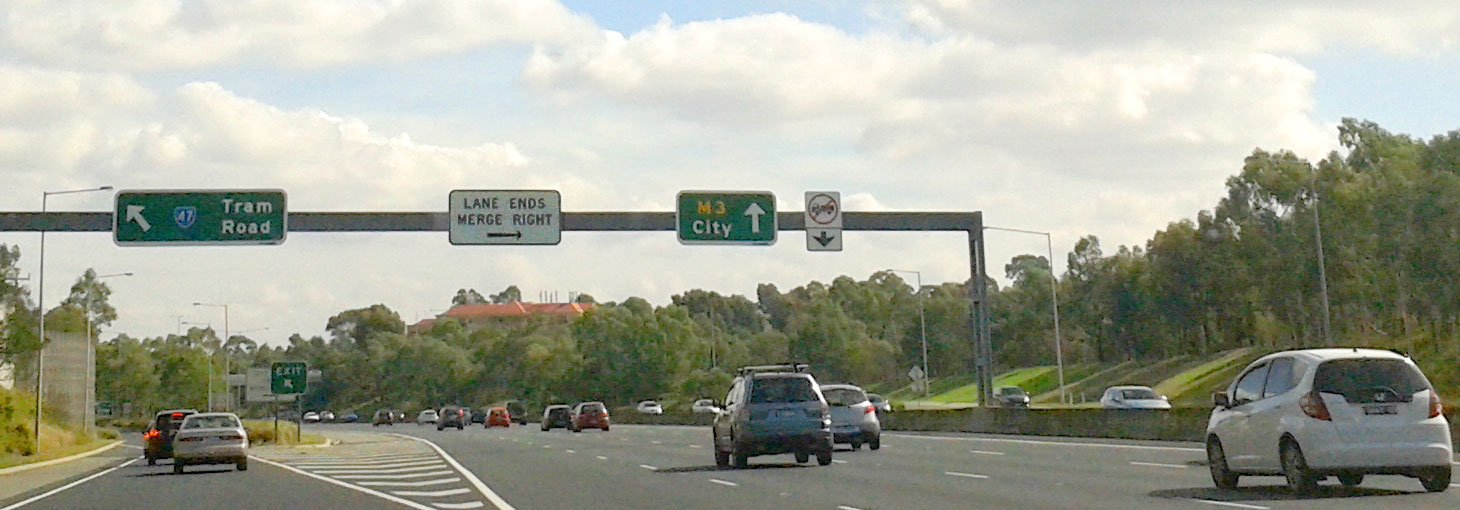
On a less positive note, there’s the roads. Clinging to her seat, my mum was terrified as I drove around bendy, narrow mountainous roads at a speed that she didn’t think possible. I’m not a fast driver, nor have I ever had an accident. Gripping her seat, she had to look away from the drop on one side of the road which had no barrier to prevent any cars from just dropping off the side. She’s lucky there was no fog, like on the road pictured, or random obstacles such as herds of sheep or tractors. Down in Annecy, we left a three-lane, well-made motorway/freeway and took the off-ramp directly onto a pot-holed mess of a road that had no road markings until beyond the first small intersection. “It’s like we’re in the sticks,” my mum said, while the car bounced between pot-holes, “except this is still the centre of town, right?” We certainly weren’t far away. However, back at home in St Jean de Sixt, it’s clear that we are. “I don’t hear any car horns,” she said to me, suspiciously. She’s right: outside of peak season, the only time the car horns go are for weddings on Saturdays, when the procession of wedding guests behind the happy couple toot their klaxons the whole way to the reception. She’s got that to look forward to at the end of this week — along with the clanging Sunday church bells which start at 8am.


Before I visited Corsica, I imagined hot, sunny beaches and perfect snorkelling lagoons with the lush backdrop of mountains. I think it does have all those things, but summer was on its way out by the time I arrived. It rained almost daily. Therefore, I’m classifying the weather as The Bad of Corsica. Corsica often is that sunny destination, but for four days, the clouds covered the distant mountains and warmish beaches were far too turbulent for any visibility to bother getting the snorkel out. The bad weather did, however, lead to good. This tree is the largest chestnut tree in Europe, and well worth a visit at this time a year for the abundance of chestnuts raining from the tree, as well as simply to witness its enormous girth. The walk through the forest was well covered from rain, making the weather less of a problem. I was there with three friends and we were unable to link arms around the tree. It has ferns and moss growing on its trunk, and the camera couldn’t catch its height without a wide-angle lens. It’s massive! Had it not been for the bad weather, I wouldn’t have a big bag full of chestnuts to roast for the first time in my life. Apart from the weather, there’s only one other Bad I can think of… (scroll down)
I’m really scraping the barrel for The Bad here, but it will certainly be a bad day for some when the village pictured on this protruding cliff loses some of its buildings to the sea. Those rocks in the sea below are bits of broken cliff, and I don’t see any reason why the cliff won’t continue to break off a little at a time. The only problem is that the village on top is perched on a cliff that looks less than secure. I’m sure it’s been like this for hundreds of years, and perhaps it will be for hundreds more, but walking through some villages where the buildings overhang the cliffs (including the café we stopped for a drink , where the room was built out so that we were able to look back at the cliff face next to the café) made me wonder how so many people can live in these houses without panicking. I struggled to stay in the café for half an hour knowing the building was teetering so much! Apart from this disaster waiting to happen (and Corsican sausages), Corsica isn’t at all bad.
If you look closely, you can see buildings perched on the side of the cliff face in the distance. These are likely to fall into the sea one day when the cliff breaks off, joining the other broken bits of cliff pictured in the water. Corsica has a bit of everything: beaches, pretty walks, old bunkers, mountains, ski resorts, and Europe’s largest chestnut tree, which was kind of handy since a few days of rain meant fewer beach-side jaunts and more free time for other activities. In many places, the cows roam free on the roads, and although this could end in tears on dark and stormy nights, it was a pleasure to slow down to get around the slow-moving mooers, like the one pictured, on the mountainous roads. We had just passed this cow’s mum a few metres earlier and there was much mooing going on between the two of them.


We also visited the vineyards where Philippe explained that horses are now replacing tractors, with wine-makers reverting to more traditional methods at every stage of the grape-growing and collecting process. We watched some horses being used to walk down each row of grapes, where boxes were placed on sleighs behind the horses — somewhere a tractor could never enter.